A reflection on Isaiah 10:5-7, 13b-16 for Wednesday of the 15th Week in Ordinary Time Year 2
Isaiah gives us a strong warning about power. Assyria has become a tool in God’s hands, but it starts to believe that its victories come only from its own strength. It forgets that its power has limits. It begins to act as though being successful means being right.
This temptation is not limited to ancient empires. Nations can believe that military strength gives them moral authority. Institutions can think that influence proves they are good. Political movements can assume that winning means God is on their side. Even the Church can be tempted to see wealth, size, status, or political access as signs of faithfulness.
But success is not the same as holiness.
Isaiah asks us to look closely at how power is used. When we are strong, do we become more careful about protecting people who are vulnerable? Or do we begin to treat them as problems, burdens, or obstacles?
We may speak about “the poor,” “the migrant,” “the prisoner,” or “the enemy” without thinking about real people. But each label hides a human face, a family, a history, and a hope for a better life. When we stop seeing people as individuals, it becomes easier to excuse their suffering. We may call their pain necessary for security, order, growth, or success.
God’s judgment of Assyria reminds us that no person or institution has unlimited power. Every government, nation, church, and community is answerable to God. Authority does not prove innocence. Power must be judged by how it is used, whom it protects, and whether it respects the dignity of people who have little control over their own lives.
This reading also asks us to look at our own lives. Most of us do not lead nations or command armies, but we still have some power. We may have influence in our families, workplaces, parishes, schools, or friendships. We can use that influence to control others, ignore them, or protect our own comfort. We can also use it to listen, defend, welcome, and make room.
The question is not only whether we have power. The question is whether power has fooled us.
When we begin to believe that success proves we are good, Isaiah calls us back to humility. Whatever authority we have is temporary. Whatever influence we hold has been entrusted to us. It does not place us above honest self-examination.
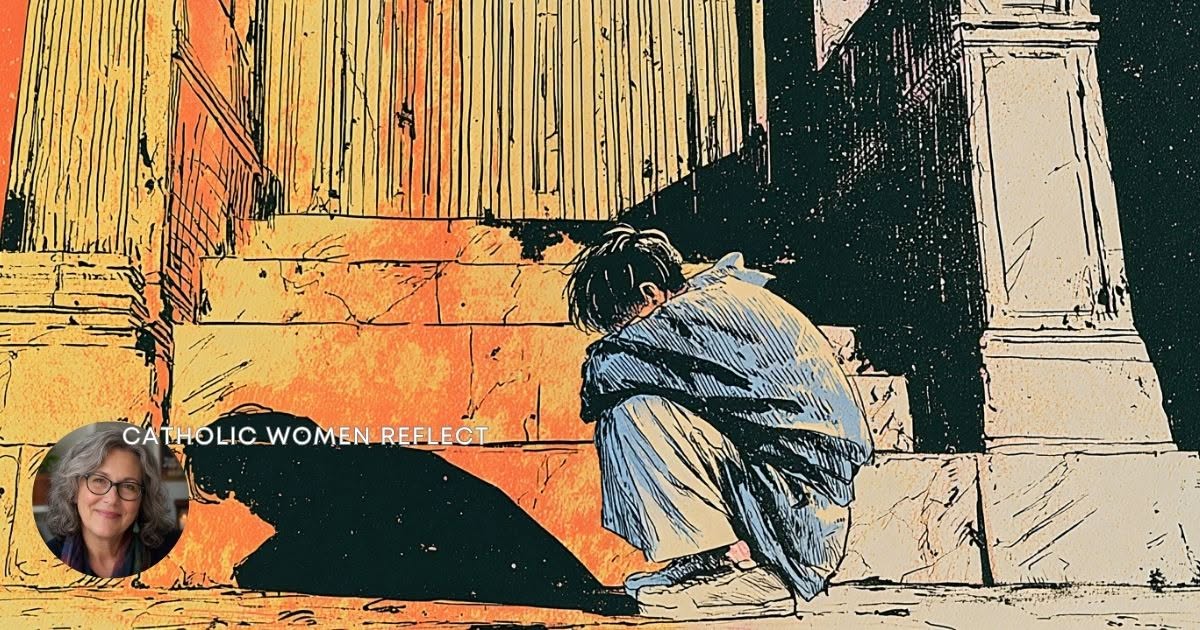
God sees the people whom powerful systems often ignore. God sees those who are treated as unimportant, inconvenient, or disposable. And God asks us to see them too.
May we remember that strength is not permission to harm. Authority does not mean we are always right. Victory is not proof that God approves of everything we have done.
May we use whatever power we have in the way of Christ: not to dominate, but to serve; not to silence, but to listen; and not to protect only ourselves, but to stand beside those who are most likely to be forgotten.
Journaling prompts
- Where do I have power or influence in my daily life?
- Have I ever confused success, approval, or control with being right?
- Who may be affected by decisions that make my life easier?
- How can I use my influence this week to listen, protect, or make room for someone who is often overlooked?
Leave a Reply