Does Disaster Tell Us What God Is Doing?
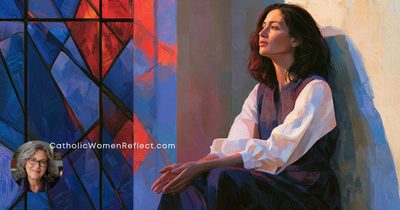
Leeza considers Jesus’ warnings in Luke 21:5–11 and the danger of treating disasters as proof of God’s intentions, leaving room for grief and unanswered prayer.
Who Owns the Earth?
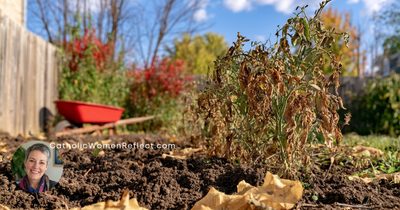
Julia reflects on Psalm 24 and Catholic care for creation, exploring what it means to use the earth’s resources when they belong to God and sustain us all.
A Shepherd Who Also Judges
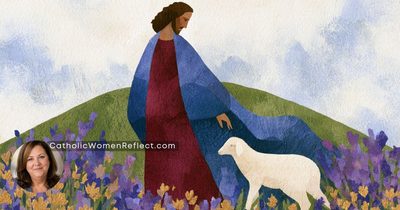
In this Catholic reflection for Christ the King, Megan explores Ezekiel 34 and God’s promise to tend His flock and judge between its members. His care for the wounded challenges her to see justice as part of His love—and to listen when the truth is uncomfortable.
Whose Wife Will She Be?
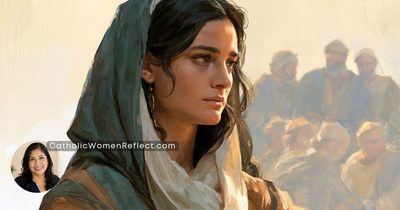
In this Catholic reflection on Luke 20:27–40, Maria considers the woman in the Sadducees’ question about resurrection. Jesus’ answer invites her to reflect on women’s dignity, identity beyond marriage, and belonging as children of God.
Jesus Stayed to Teach
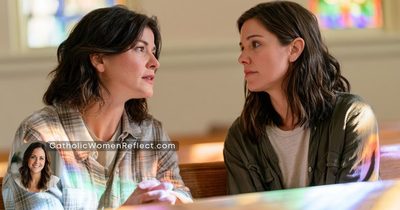
Annie reflects on Luke 19:45–48 and the detail that Jesus stayed to teach after cleansing the temple. She considers the patient work of Church reform, rebuilding trust, and caring for those who have been hurt.
Why Does Victory Look Like a Wounded Lamb?
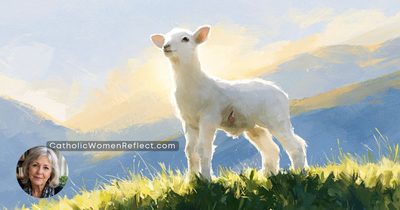
Robyn reflects on Revelation 5:1–10, exploring why Christ’s victory appears as a wounded Lamb and what this reveals about power, courage, and redemption.
Why Does This Parable End So Violently?
Leeza considers the violent ending of Luke 19:11–28, exploring the challenge of interpreting the nobleman’s actions in light of Jesus’ life and crucifixion.
Christ Is Knocking at His Own Church
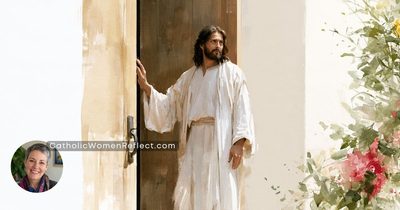
Julia reflects on Revelation 3:1-6, 14-22 and Christ’s call to awaken His Church, exploring spiritual complacency, our need for grace, and His invitation to communion.
Revelation Begins With Jesus, Not a Prediction Chart
In this Catholic reflection on Revelation 1:1–4 and 2:1-5, Megan looks beyond prediction charts and frightening headlines to Jesus Christ. Revelation’s call to worship, repentance, and faithfulness offers her a way to read this challenging book with hope.
Work By Women Deserves to Be Seen
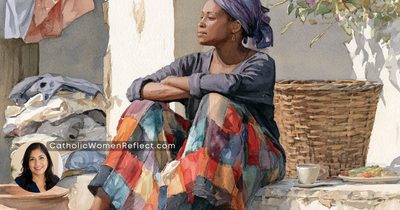
Reflecting on Proverbs 31, Maria explores the dignity of women’s work, including unpaid labor at home. This Catholic reflection asks how families and communities can recognize, fairly value, and support the women whose work sustains them.