
A reflection for Wednesday of the 14th Week in Ordinary Time.
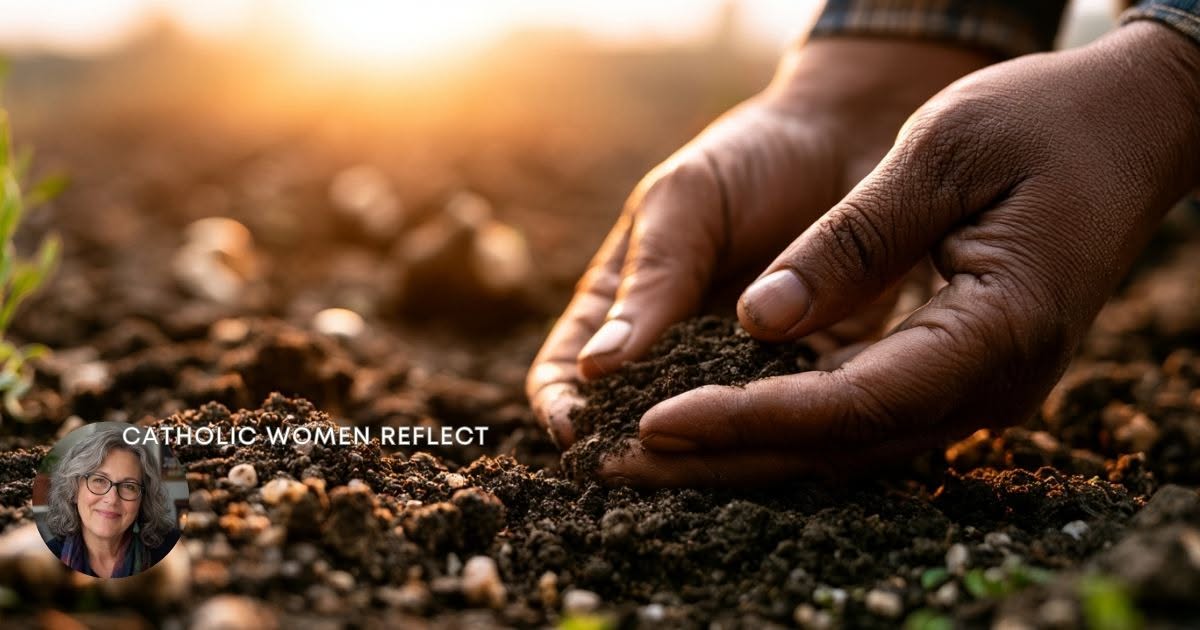
Hosea gives us an image that is both simple and demanding: sow righteousness, break up new ground, seek the Lord.
Most of us want justice. We want fairness in our families, our workplaces, our communities, our Church, and our world. We want people to be treated with dignity. We want wrongs to be made right. We want cruelty, corruption, and prejudice to end.
But Hosea asks us to look one step earlier.
Before the harvest comes the planting.
That can be uncomfortable, because it means justice is not only something we wait for other people to create. It is also something we help plant by the way we speak, choose, respond, and live.
What are we sowing each day?
In our homes, are we planting patience or resentment? In our workplaces, honesty or self-protection? In our parishes, welcome or judgment? In public life, are we adding to fear and contempt, or are we making room for truth, dignity, and mercy?
Small choices matter because they shape the soil around us.
Fear can spread quickly. So can suspicion. Contempt can become normal before we even notice it. We can begin to talk about whole groups of people as problems instead of seeing them as human beings. We can repeat harsh words because everyone around us is saying them. We can defend unfair systems because they benefit us or because changing them feels too difficult.
Hosea reminds us that we cannot keep planting division and then be surprised when division grows.
If we want a more just world, we have to plant differently.
That does not mean becoming passive or avoiding hard truths. Mercy is not weakness. Compassion does not require us to ignore wrongdoing. Justice sometimes demands courage, confrontation, and change. But even then, we can choose whether we act from love or contempt.
We can tell the truth without humiliating people. We can challenge injustice without denying anyone’s dignity. We can stand with those who are pushed aside without becoming cruel toward those we disagree with.
This is where Hosea’s call to “break up new ground” becomes important. Sometimes the hardest soil is inside us. Old assumptions. Old fears. Old loyalties. Old ways of thinking that we have never examined.
Breaking ground takes work. It disturbs what has been settled. It turns over what has become hard.
God may be asking us to let some of our certainties be disturbed so that something better can grow.
Maybe we have become too comfortable with the suffering of people far from us. Maybe we have learned to ignore the poor, the immigrant, the prisoner, the person who feels unwelcome in the Church, or anyone whose life does not fit neatly into our expectations.
Justice begins when we are willing to see them.
It continues when we are willing to ask what our own choices are producing.
We may never see the full harvest of the good we plant. Some acts of kindness seem small. Some efforts toward justice feel slow. Some changes take generations.
Still, Hosea tells us to sow.
Plant honesty when lying would be easier. Plant mercy when judgment comes naturally. Plant courage when silence protects our comfort. Plant welcome where exclusion has become normal. Plant hope when cynicism seems more reasonable.
We cannot control the whole field.
But we can pay attention to what we place in the soil.
And perhaps that is one way the Kingdom of God grows: not only through dramatic change, but through faithful people choosing, again and again, to plant what they hope the world will one day become.
Journaling prompts
- What am I sowing most often in the way I speak and act?
- Where have fear, resentment, or contempt become too comfortable in me?
- What “new ground” might God be asking me to break up?
- What is one small act of justice, mercy, or courage I can plant this week?
Leave a Reply