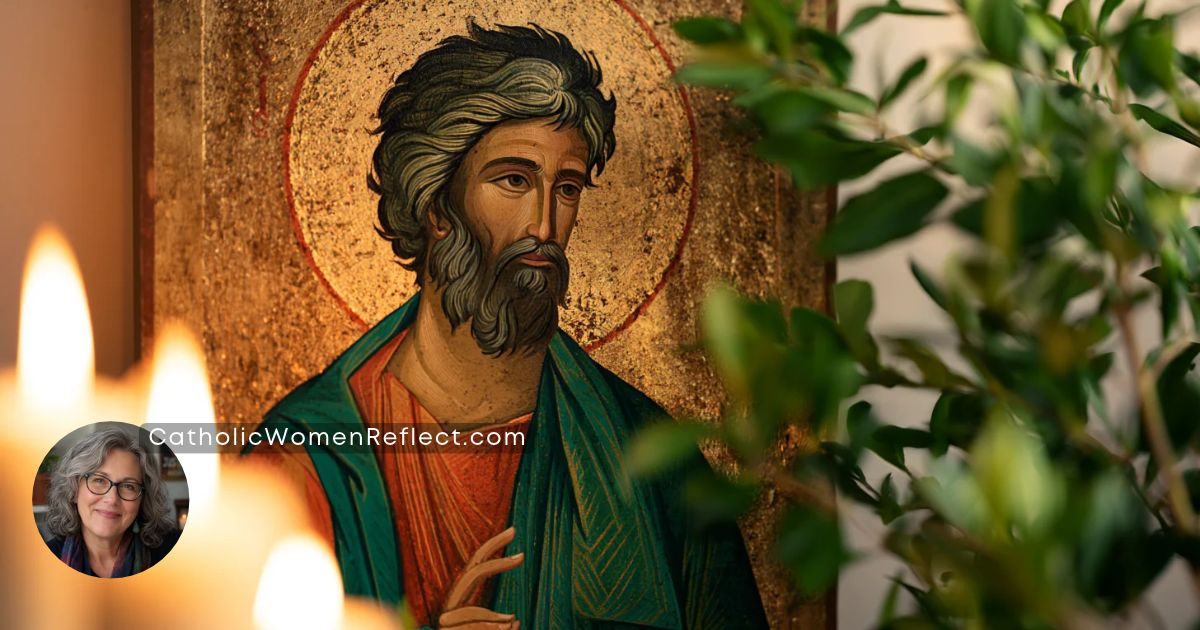
In 1964, Pope Paul VI returned a relic of Saint Andrew from Saint Peter’s Basilica to the Orthodox Church in Patras, Greece. Catholics and Orthodox both venerate Andrew, though they remain separated.
Andrew is the patron of Constantinople. His brother Peter is closely associated with Rome. Pope Benedict XVI spoke of their kinship when explaining the return of the relic.
Andrew is part of the Church’s beginnings, before the divisions Catholics and Orthodox have inherited. In Matthew’s Gospel, he and Peter hear the same invitation from Jesus and leave their nets together.
The Byzantine dismissal hymn for Andrew’s feast, known as the apolytikion, calls him the first-called apostle and remembers his brother Peter as foremost. I would like to understand how Orthodox Christians hear those words. I celebrate Andrew’s feast each year, but this hymn is unfamiliar to me. I do not expect reunion to make Orthodox worship look like the Mass at my parish. Returning the relic acknowledged a shared devotion to Andrew, even while disagreements remained.
On Andrew’s feast, Catholics and Orthodox ask the same apostle to pray for them, although full communion has not yet been restored.
The return to Patras happened more than sixty years ago. It acknowledged a shared faith without settling how authority would be exercised. What authority would the Bishop of Rome exercise in a reunited Church?
Reflection Questions:
- What does honoring the same apostle reveal about the communion Catholics and Orthodox already share?
- What would I like to understand better about the divisions that remain?
- What could I learn about Andrew by listening to the prayers of another Christian tradition?
Leave a Reply