A reflection for Tuesday of the 18th Week in Ordinary Time.
God’s promise through Jeremiah is not simply that ruined cities will be repaired. God promises something deeper: a wounded people will be restored, joy will return, and the covenant will be renewed. “You shall be my people, and I will be your God.”
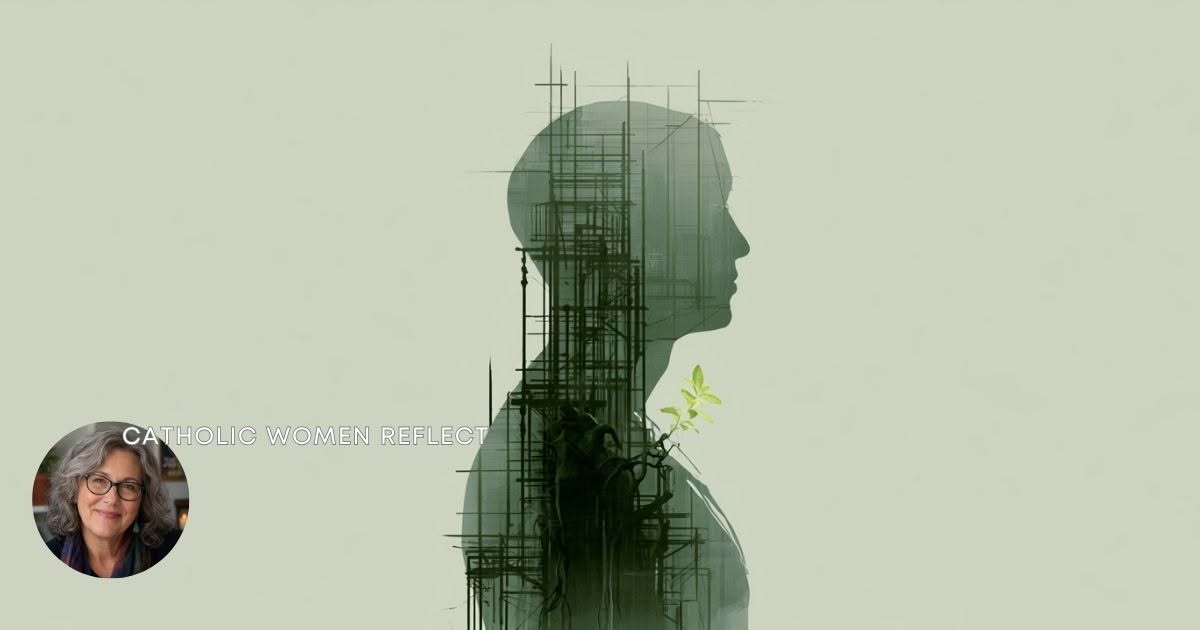
This is more than rebuilding walls. It is rebuilding lives.
We often focus first on what can be seen. We repair the building, restart the program, return to work, restore the routine, or make the outside look normal again. These things may be necessary, but they are not always the same as healing.
A family can return to its usual schedule while hurt remains unspoken. A parish can continue celebrating Mass while some members still feel ignored or unwelcome. An institution can protect its reputation without facing the harm done within it. A person can appear calm and successful while carrying grief, shame, or anger beneath the surface.
God’s restoration goes deeper than appearances.
Jeremiah does not pretend that the people’s wounds are small. Their suffering is real, and their choices have had consequences. Yet God does not abandon them to the worst thing they have done or the hardest thing they have endured. God promises to gather, rebuild, and renew them.
This does not mean that healing erases responsibility. Real restoration requires truth. We cannot rebuild well by denying what happened, silencing those who were hurt, or rushing people to forgive before their pain has been heard.
God rebuilds from the inside out because lasting healing must reach the heart.
In the Gospel, Jesus also turns our attention inward. He teaches that what makes us unclean is not mainly something outside us. What comes from within—our contempt, dishonesty, cruelty, prejudice, and pride—reveals what needs to be changed.
It is often easier to focus on outward rules than to examine the condition of our hearts. We may know how to appear faithful while holding tightly to resentment. We may defend tradition while failing to show mercy. We may speak about morality while using words that wound or exclude.
Jesus is not saying that outward actions do not matter. He is saying that true conversion cannot stop with appearances.
The heart shapes what we say, how we treat people, and what kind of communities we build.
Psalm 102 tells us that God hears the prayer of the distressed and does not ignore those who suffer. This is part of the rebuilding. God listens before restoring. God sees the people whom others have forgotten. God pays attention to those who are grieving, imprisoned, displaced, or afraid.
We are called to do the same.
When we help rebuild a wounded family, parish, or community, we must begin by listening. Whose pain has been overlooked? Who no longer feels safe enough to speak? Who has been expected to move on because their truth is uncomfortable?
A community is not healed simply because conflict becomes quiet. Silence can hide wounds just as easily as it can bring peace.
God’s kind of restoration brings people back into relationship. It restores dignity. It makes room for truth, accountability, mercy, and change. It does not merely rebuild what existed before. Sometimes God leads us toward something more honest, more compassionate, and more faithful than what was lost.
The promise “You shall be my people” is especially powerful because it is a promise of belonging. God does not define the people only by their failure. God calls them back into covenant.
Perhaps some of us need to hear that promise personally. Our wounds do not make us unwanted. Our failures do not place us beyond grace. The parts of us that feel ruined are not beyond God’s care.
God may not restore everything in the way we expect. Some losses remain real. Some relationships cannot return to what they once were. But even there, God can build something new within us: greater honesty, deeper compassion, wiser boundaries, renewed courage, and a more merciful heart.
God rebuilds patiently.
The work begins within, but it does not remain there. A heart changed by mercy begins to speak differently. A healed person becomes more attentive to the wounds of others. A renewed Church becomes less concerned with appearances and more committed to truth, dignity, and welcome.
God rebuilds us from the inside out so that our lives, relationships, and communities may become places where others can find shelter.
May we allow God into the hidden places that still need healing. May we resist the temptation to repair appearances while neglecting the heart. And may the restoration God begins within us become mercy, justice, and hope for the people around us.
Journaling prompts
- What part of my life looks repaired on the outside but still needs healing within?
- Is there a hurt, resentment, or fear I have been avoiding?
- Whose pain might I need to hear before true restoration can begin?
- What is one way God may be inviting me to help rebuild trust, dignity, or belonging?